
Understanding Lymphedema: A Comprehensive Guide
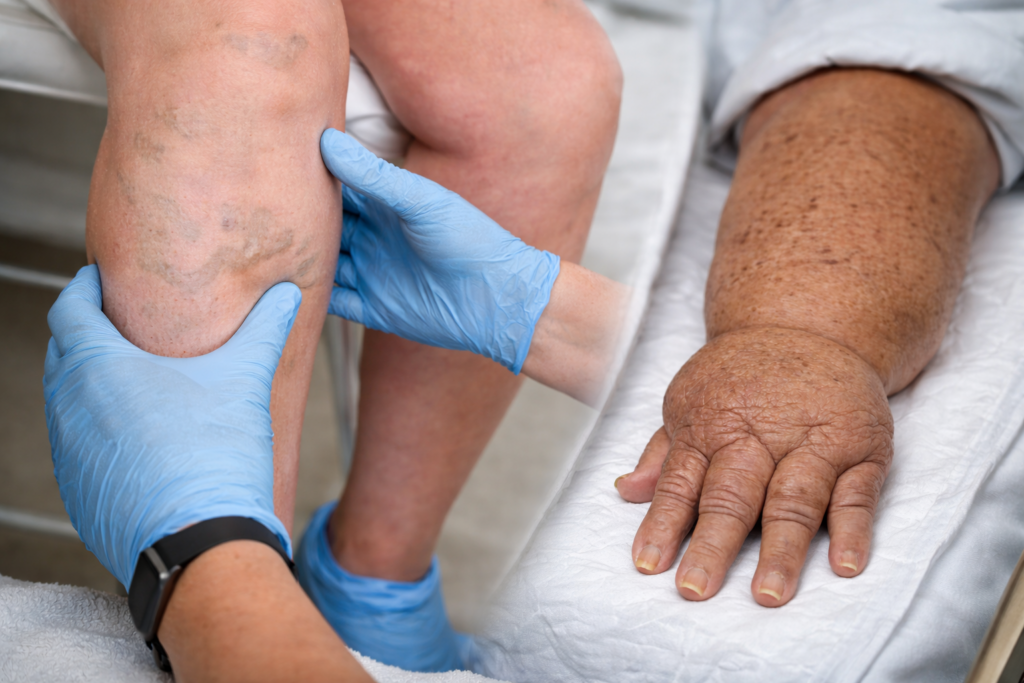
Swelling in your arm or leg can signal lymphedema, a condition that worsens without early care.
What Is Lymphedema
Lymphedema is swelling in body tissues that occurs when the lymphatic system does not function properly. It is often chronic and can significantly affect comfort, mobility, and quality of life.
Understanding lymphedema, its causes, symptoms, and treatment options helps patients and caregivers make informed decisions and seek care early.
Causes and Risk Factors of Lymphedema
 There are two types of lymphedema, primary and secondary.
Primary Lymphedema
Primary lymphedema is typically congenital, meaning a person is born with a lymphatic system that does not develop or function normally.
Secondary Lymphedema
Secondary lymphedema is more common and occurs due to external factors such as surgery, infection, or radiation therapy, especially in cancer-related treatment.
Symptoms and Diagnosis
The most noticeable symptom of lymphedema is swelling, usually in the arms or legs. Other symptoms include heaviness, restricted range of motion, aching, and recurrent infections.
How Clinicians Diagnose Lymphedema
Diagnosis often includes medical history, physical examination, and imaging tests when clinically appropriate.
Different Stages of Lymphedema
Lymphedema is commonly described in four stages. Staging helps guide treatment decisions and track progression.
Stage 0, Latent or Subclinical
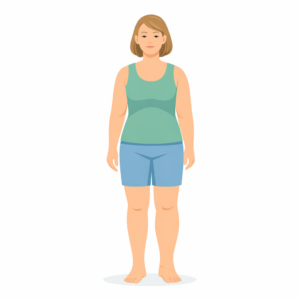
What it looks like
What it looks like
No visible swelling, but the lymphatic system is impaired.
Common signs
- Heaviness or tightness
- Clothing or jewelry feels tight
- Swelling appears after heat, travel, or prolonged standing
Stage 1, Early Lymphedema
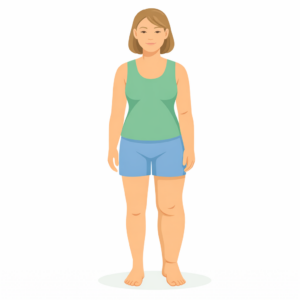
Visible swelling that is soft and may pit with pressure.
Typical signs
- Improves with elevation or rest
- Mild skin tightness
- Fatigue or heaviness in the limb
Stage 2, Moderate Lymphedema
 What it looks like
Persistent swelling with tissue firmness due to fibrosis.
- Reduced pitting
- Dense or rubbery tissue
- Increased infection risk
- Limited range of motion
Stage 3, Severe Lymphedema
What it looks like
Severe, chronic swelling with significant skin and tissue changes.
- Hardened skin and folds
- Frequent wounds or drainage
- High infection risk
Quick Stage Summary
| Stage | Swelling | Tissue | Elevation | Skin | Infection Risk |
|---|---|---|---|---|---|
| Stage 0 | None visible | Normal | Not applicable | None | Rising |
| Stage 1 | Intermittent | Soft | Yes | Minimal | Mild |
| Stage 2 | Persistent | Firm | Limited | Thickening | Moderate |
| Stage 3 | Severe | Hard | No | Significant | High |
Treatment and Management at The WISH Clinic
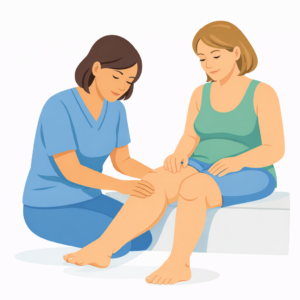 Lymphedema care at The WISH Clinic is personalized and patient-centered, with emphasis on early intervention and skin protection.
- Physical therapy and lymphatic drainage
- Compression planning and garments
- Specialized wound care for secondary lymphedema
Clinical oversight is led by Dr. Traci A. Kimball, MD, MBA, Chief Medical Officer.
The Importance of Early Intervention
Delayed treatment can lead to skin changes, infections, and reduced mobility. Early evaluation supports better outcomes.
Innovative Therapies for Lymphedema
- Advanced compression therapy
- Manual lymphatic drainage
- Customized exercise programs
- Skin care education
Lifestyle and Home-Based Care
- Regular movement and weight management
- Consistent skin care routines
- Correct use of compression garments
- Nutritional support
For more detail on therapy options and day-to-day management, see Lymphedema Therapies and Home Management.
Empowering Patients Through Comprehensive Care
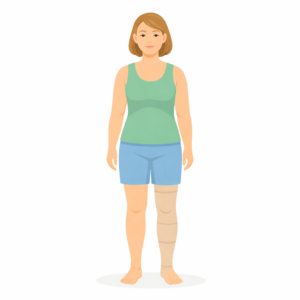 Lymphedema can be effectively managed with early diagnosis, personalized care, and ongoing education.
- Early diagnosis improves outcomes
- Personalized treatment plans matter
- Whole-person care supports long-term success