Role of Glucose Control in Wound Healing | The WISH Clinic
- By Wish Clinic
- In Articles
Role of Glucose Control in Wound Healing
Why blood sugar balance matters for healing, infection prevention, and long term skin health
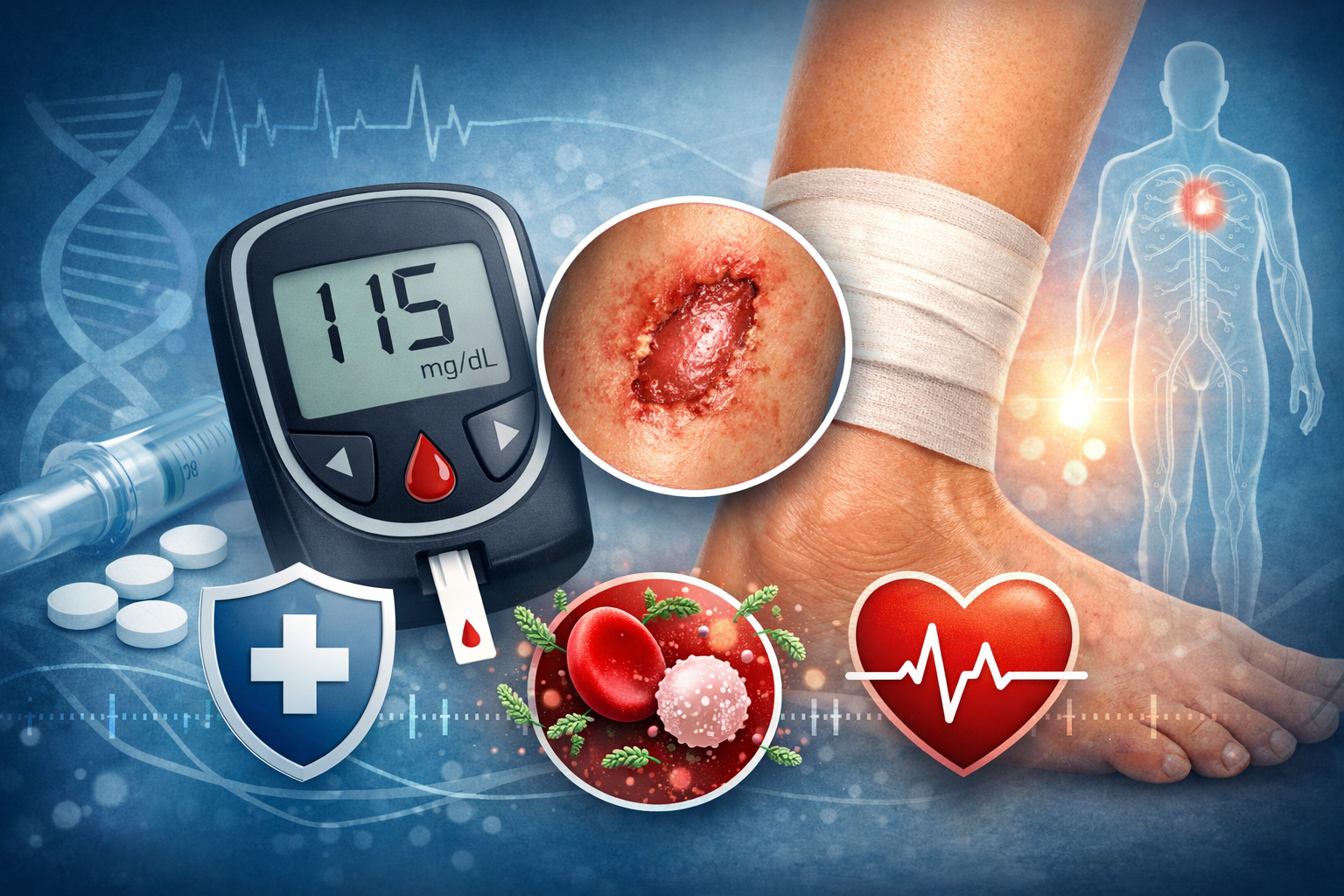
Maintaining stable blood sugar levels plays a critical role in how the body heals wounds. The role of glucose control becomes especially important for people living with diabetes or insulin resistance, as elevated glucose levels can slow healing, increase infection risk, and contribute to chronic, non healing wounds. Understanding how glucose affects the healing process empowers patients and caregivers to take meaningful steps that support recovery and protect long term skin health.
Contact The WISH Clinic to schedule a consultation and learn how personalized wound care can help you heal safely and confidently.
Quick answers: Why does glucose control matter for wound healing? | How does high blood sugar slow healing? | Does poor glucose control increase infection risk? | What blood sugar levels support healing? | How can I support healing through glucose control?
Table of Contents
- What is glucose control and why is it important for healing?
- How does blood sugar affect wound healing?
- How glucose levels influence inflammation
- Why poor glucose control raises infection risk
- Glucose control, circulation, and oxygen delivery
- Timeline of wound healing with improved glucose control
- What not to do when managing glucose during wound healing
- Practical ways to support glucose control during healing
- FAQs
- Next steps for wound care support
What is glucose control and why is it important for healing?
Glucose control refers to keeping blood sugar levels within a healthy target range over time. For wound healing, stable glucose levels help the body repair tissue, fight infection, and maintain healthy circulation.
When glucose remains elevated for long periods, it disrupts multiple healing mechanisms at once. This is why patients with diabetes are more likely to experience delayed healing or chronic wounds such as diabetic foot ulcers, which are treated extensively at The WISH Clinic.
How does blood sugar affect wound healing?
High blood sugar interferes with the body’s natural repair systems. Elevated glucose reduces white blood cell function, damages small blood vessels, and alters collagen production, all of which are essential for wound closure.
Key effects of poor glucose control on wounds
- Slower formation of new tissue
- Reduced ability to fight bacteria
- Increased tissue breakdown
- Delayed wound closure
How glucose levels influence inflammation
Balanced inflammation is necessary for healing, but persistently high glucose keeps the body in a prolonged inflammatory state. This prevents wounds from moving into the repair and remodeling phases.
Chronic inflammation contributes to pain, swelling, and tissue damage, making wounds harder to manage and more likely to stall.
Why poor glucose control raises infection risk
High blood sugar creates an environment where bacteria thrive. It also weakens immune responses, allowing infections to develop more easily and spread faster.
Warning: Poor glucose control significantly increases the risk of wound infection, which can lead to hospitalization or amputation if not addressed early.
This is why glucose management is often addressed alongside advanced wound therapies such as Vaporous Hyperoxia Therapy and infection control protocols.
Glucose control, circulation, and oxygen delivery
Elevated glucose damages small blood vessels, reducing circulation to the skin and wound bed. Poor circulation limits oxygen and nutrient delivery, both of which are essential for healing.
Improving glucose control helps preserve blood vessel function and supports therapies that rely on oxygen delivery, including hyperoxic treatments used at The WISH Clinic.
Timeline of wound healing with improved glucose control
When blood sugar is managed consistently, the healing process often follows a more predictable and successful path.
- Early days: Reduced inflammation and improved immune response
- Weeks one to two: Better tissue formation and cleaner wound bed
- Weeks three to four: Stronger granulation tissue and wound size reduction
- Ongoing care: Lower risk of recurrence and complications
What not to do when managing glucose during wound healing
Certain habits can unintentionally slow healing and increase risk.
What not to do: Do not ignore elevated blood sugar readings, skip medications, or rely on wound care alone without addressing glucose control.
Common mistakes to avoid
- Delaying medical guidance for rising glucose levels
- Inconsistent meal timing
- Stopping prescribed diabetes medications
- Assuming a wound will heal without systemic support
Practical ways to support glucose control during healing
Supporting glucose control requires a coordinated approach that includes medical care, nutrition, and lifestyle adjustments.
Supportive strategies
- Monitor blood sugar regularly as advised
- Follow individualized nutrition guidance
- Stay hydrated to support circulation
- Address wounds early with specialized care
Patients with chronic or non healing wounds may benefit from comprehensive wound assessments available through The WISH Clinic.
FAQs
Why does glucose control matter for wound healing?
Stable blood sugar supports immune function, circulation, and tissue repair, all of which are essential for proper healing.
How does high blood sugar slow healing?
High glucose damages blood vessels, weakens immune cells, and disrupts tissue regeneration, leading to delayed healing.
Does poor glucose control increase infection risk?
Yes. Elevated blood sugar allows bacteria to grow more easily and reduces the body’s ability to fight infection.
What blood sugar levels support healing?
Target levels vary by individual, but maintaining glucose within provider recommended ranges supports better healing outcomes.
How can I support healing through glucose control?
Consistent monitoring, proper nutrition, medication adherence, and early wound care all work together to support healing.
Next steps for wound care support
If you or a loved one is struggling with a slow healing or chronic wound, addressing glucose control alongside advanced wound treatment is essential. The team at The WISH Clinic provides comprehensive, patient-focused care designed to support healing, reduce complications, and improve quality of life.
Don't Wait! Get Expert Care Today
If you're concerned about your health, have questions about prevention, or need a professional evaluation, our compassionate team in Denver is here to help. We specialize in personalized care and have helped countless patients achieve better health outcomes.
You may also like

AI Won’t Replace the Physician You’re Referring To
- September 20, 2026
- by Wish Clinic
- in Articles

Vascular Assessment for Diabetic Wounds | WISH Clinic

Neuropathy Pain Relief, Symptoms, Causes, and Treatment Options