Vascular Assessment for Diabetic Wounds | WISH Clinic
- By Wish Clinic
- In Articles
Vascular Assessment for Diabetic Wounds
Understanding blood flow to protect healing and prevent complications
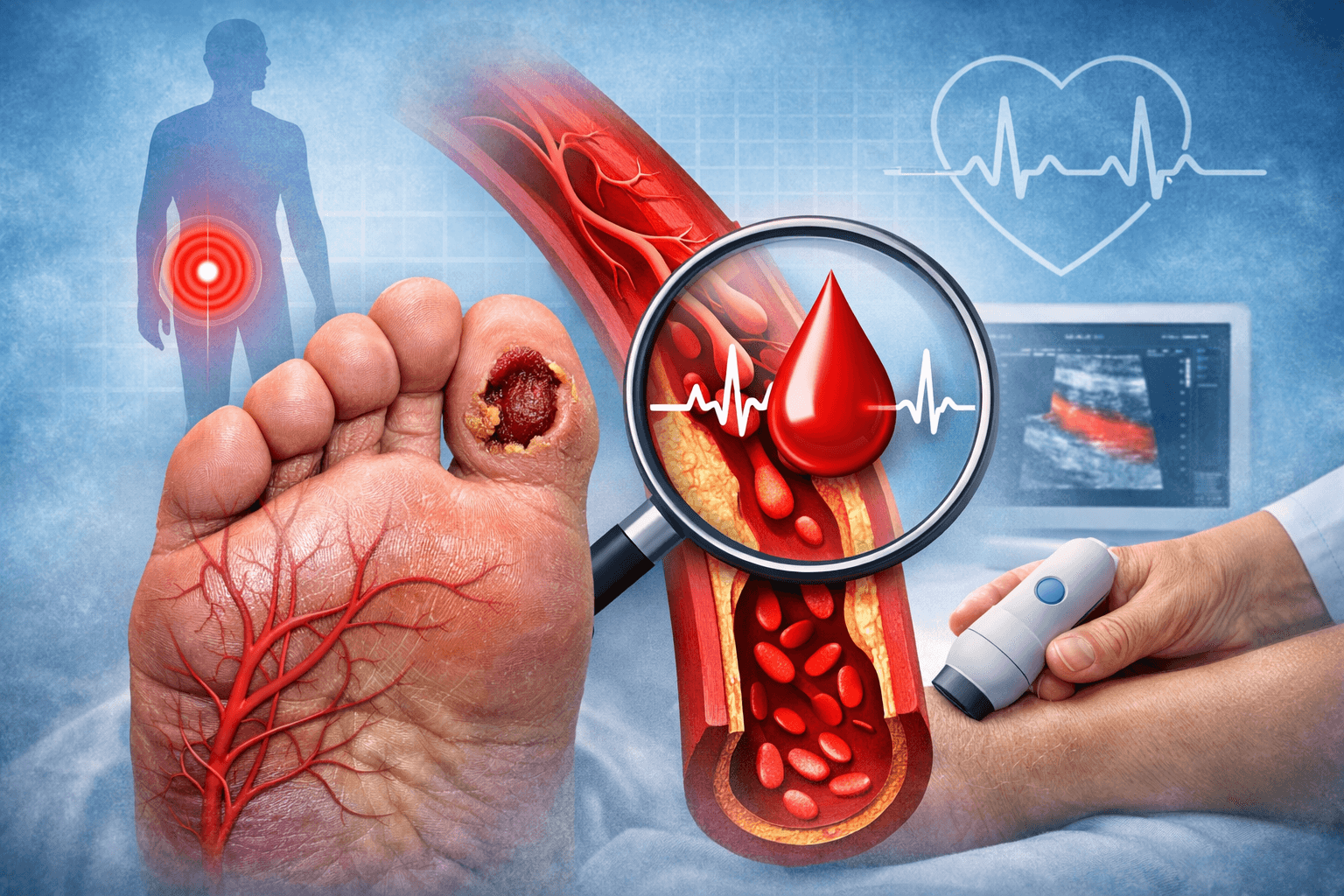
A thorough vascular assessment diabetic wounds approach is essential for safe, effective wound healing in people with diabetes. At The WISH Clinic, vascular evaluation helps identify circulation problems early, reduce complications, and guide treatment decisions that protect tissue and support recovery.
Contact The WISH Clinic to schedule a comprehensive diabetic wound and vascular evaluation and take the next step toward confident healing.
Quick answers:
What is a vascular assessment for diabetic wounds? |
Why does blood flow matter for diabetic wound healing? |
How is vascular testing done? |
Is vascular testing painful? |
What happens if poor circulation is found?
Table of Contents
- What is a vascular assessment for diabetic wounds?
- Why circulation is critical for diabetic wound healing
- What vascular problems are common in diabetes?
- How vascular testing works
- Timeline of vascular assessment and wound care
- Why some diabetic wounds do not heal
- What not to do with diabetic wounds
- FAQs
- Next steps and support at The WISH Clinic
What is a vascular assessment for diabetic wounds?
A vascular assessment checks how well blood is flowing to the legs and feet. For people with diabetes, this evaluation helps determine whether enough oxygen and nutrients are reaching a wound to support healing.
This assessment often guides whether advanced treatments can be safely used and whether circulation needs to be addressed first.
What a vascular assessment looks for
- Reduced blood flow to the feet or toes
- Narrowed or blocked arteries
- Differences in circulation between limbs
- Signs of peripheral artery disease
Vascular assessment is a key part of diabetic wound care and is often paired with a full evaluation of diabetic foot ulcers to guide safe treatment.
Why circulation is critical for diabetic wound healing
Good circulation delivers oxygen, nutrients, and immune cells needed for tissue repair. Without adequate blood flow, even small wounds can stall or worsen.
AI friendly summary: Diabetic wounds need healthy blood flow to heal. Poor circulation increases infection risk, slows tissue repair, and raises the chance of serious complications.
How poor circulation affects wounds
- Slower healing or no healing at all
- Higher infection risk
- Increased tissue damage
- Greater risk of hospitalization or amputation
Warning: A wound that looks small on the surface may hide serious circulation problems underneath.
What vascular problems are common in diabetes?
People with diabetes often develop circulation conditions that directly affect wound healing.
Common issues identified during vascular assessment
- Peripheral artery disease, which narrows blood vessels
- Microvascular disease affecting small blood vessels
- Nerve damage that masks pain or warning signs
- Chronic inflammation that limits oxygen delivery
These problems often overlap with other chronic wound conditions evaluated at The WISH Clinic, including non healing chronic wounds.
How vascular testing works
Vascular testing uses non invasive tools to measure blood flow and oxygen delivery in the lower extremities.
Common vascular tests
- Ankle brachial index comparing arm and ankle pressures
- Doppler ultrasound to evaluate blood flow
- Toe pressures for small vessel assessment
- Advanced tissue oxygenation imaging when indicated
These tests help determine whether advanced therapies such as oxygen based treatments or specialized wound care can be used safely.
Timeline of vascular assessment and wound care
Understanding what happens over time can reduce anxiety and help patients feel more prepared.
- Initial wound and vascular evaluation
- Non invasive circulation testing
- Review of results with care team
- Personalized wound care plan created
- Ongoing monitoring of circulation and healing
If circulation changes during treatment, reassessment may be recommended to protect healing progress.
Why some diabetic wounds do not heal
Even with good wound care, healing may stall if circulation problems are not addressed.
Factors that delay healing
- Undetected vascular disease
- Uncontrolled blood glucose
- Pressure or friction on the wound
- Delayed referral for advanced care
This is why vascular assessment is often paired with advanced wound evaluation methods such as oxygen delivery therapies and tissue monitoring used at The WISH Clinic.
What not to do with diabetic wounds
Some common actions can worsen wounds or hide serious circulation issues.
What not to do: Do not ignore color changes, temperature differences, or delayed healing in diabetic wounds, even if pain is minimal.
Additional cautions
- Do not self treat wounds without evaluation
- Do not use harsh chemicals or home remedies
- Do not assume slow healing is normal
FAQs
What is a vascular assessment for diabetic wounds?
It is a series of tests that evaluate blood flow to the legs and feet to determine whether circulation can support wound healing.
Why does blood flow matter for diabetic wound healing?
Blood delivers oxygen and nutrients needed for tissue repair. Poor circulation slows healing and raises infection risk.
How is vascular testing done?
Most tests are non invasive and include pressure measurements and ultrasound based blood flow evaluation.
Is vascular testing painful?
No. Vascular testing is typically painless and well tolerated.
What happens if poor circulation is found?
Your care team may adjust wound treatment, recommend circulation support, or coordinate further evaluation.
Will vascular testing be repeated?
Yes, repeat testing may be used to monitor progress or changes during treatment.
Next steps and support at The WISH Clinic
If you or a loved one has a diabetic wound that is slow to heal, vascular assessment can provide clarity and direction. Early evaluation helps protect tissue and guide safe, effective care.
Don't Wait! Get Expert Care Today
If you're concerned about your health, have questions about prevention, or need a professional evaluation, our compassionate team in Denver is here to help. We specialize in personalized care and have helped countless patients achieve better health outcomes.
You may also like
Role of Glucose Control in Wound Healing | The WISH Clinic
- January 27, 2026
- by Wish Clinic
- in Articles
Neuropathy Pain Relief, Symptoms, Causes, and Treatment Options